

Written by Michelle Garcia, RN | Founder, EmpowerHUB Tech65
Updated September 11, 2026
Life Coach Business Resources
Get your digital products now to seamless run your life coaching business.
Shop Now
Is it time for you to become a life coach?
More people are exploring coaching as a meaningful, flexible career that blends purpose, mindset, and strategy. More people are exploring coaching as a meaningful, flexible career that blends purpose, mindset, and strategy. Running your own business doesn’t require a perfect résumé.
It involves self-awareness, empathy, strong communication, and a structured plan.
This blog helps you choose a niche, get certified, build your program, create your brand, attract clients, and use important business tools.
You’ll also see what systems top coaches rely on and get access to the Life Coach Digital Product Library and the Life Coach Business Starter Kit, a plug-and-play system that gives you every template, form, worksheet, agreement, and marketing asset you need to launch confidently.
Let’s explore how to create an impact and make a difference in people’s lives.
What Is a Life Coach?

They support clients through transformation. Not by telling them what to do, but by helping them make clear decision and follow through.
They help clients with:
- Self-discovery
- Goal-setting and planning
- Accountability
- Confidence building
- Breaking old patterns
- Creating structure and staying consistent
It’s a partnership that blends mindset, clarity, and strategy.
Coaches help clients see possibilities they missed because they were stuck in survival mode or overwhelm.
Protect Your Coaching Business From the Beginning
You should not have to write your coaching agreement from scratch—or rely on a generic free document that may not address the realities of running a coaching business.
The Lawyer-Approved Life Coaching Agreement Template gives you a professional, customizable starting point for setting expectations about:
- Coaching services and program details
- Payments and fees
- Scheduling, cancellations, and missed sessions
- Communication boundaries
- Coach and client responsibilities
- Privacy and confidentiality
- Ending the coaching relationship
Create a clearer onboarding experience and feel more confident accepting paying clients.
Get the Lawyer Approved Client Contract Now
This customizable template is not a substitute for individualized legal advice.
Is Life Coaching Right for You?

Before you begin, check in with yourself:
-Do you genuinely enjoy helping people grow?
-Do you naturally ask good questions?
-Are you patient and willing to hold space for someone else?
-Do people come to you for advice or clarity?
Strong coaches tend to be:
- Great listeners
- Empathetic
- Good communicators
- Structured yet flexible
- Neutral and non-judgmental
If this sounds like you, the coaching path could feel very aligned.
Choosing Your Niche: Specializations in Life Coaching

The fastest-growing coaches today are specialists. Picking a niche helps clients identify you as “their person.”
Popular coaching niches include:
- Career & leadership
- Wellness & mindset
- Relationships
- Confidence coaching
- Grief recovery
- Breakthrough & transformation
- Accountability coaching
- Women’s empowerment
- Business or executive coaching
Your lived experience, passions, and personal challenges often point to your most aligned niche.
The Mindset of a Successful Coach
Transitioning into a new career requires more than just a certificate; consequently, it demands a total shift in mindset. To be someone who truly makes an impact, you must first embody the growth mindset you wish to see in your clients.
Specifically, this means remaining curious, practicing active listening, and letting go of the urge to “fix” people. Instead, your role is to empower them to find their own solutions.
Furthermore, resilience is a key trait of every successful entrepreneur. In addition to managing your client sessions, you will be managing a business. Therefore, you must be prepared to handle the ups and downs of the startup phase.
As a result of staying consistent and committed to your vision, you will eventually see the momentum build as your reputation in the industry grows.
Why Systems and Tools Matter Early On
Many beginners make the mistake of waiting until they are “busy enough” to invest in business systems. However, the most efficient way to operate with a scalable practice is to set your foundations from day one. For instance, using a dedicated CRM or a professional starter kit allows you to automate the “manual hustle” of onboarding. Setting up your system is ‘key’.
Moreover, when your administrative tasks are streamlined, you can spend more of your energy on what matters: your clients. Specifically, having clear intake forms and coaching agreements ensures that both you and your clients are protected. Ultimately, the right digital tools act as a force multiplier for your time.
By comparison, coaches who rely on scattered emails and spreadsheets often burn out before they can truly scale. By following a structured system, you are not just starting a job; you are building a sustainable asset.
Certification and Training: How to Get Qualified

While certification isn’t legally required, it is something many clients look for when they’re ready to invest at a higher level. Certification builds credibility and equips you with real coaching frameworks. Not all programs are equal, so evaluate:
- Accreditation
- Coaching methodology
- Price vs. value
- Alumni success
Think of certification as your foundation. It gives you tools, structure, and confidence, and that’s what clients feel when they work with you.
Essential Tools: Templates, Worksheets, and Agreements
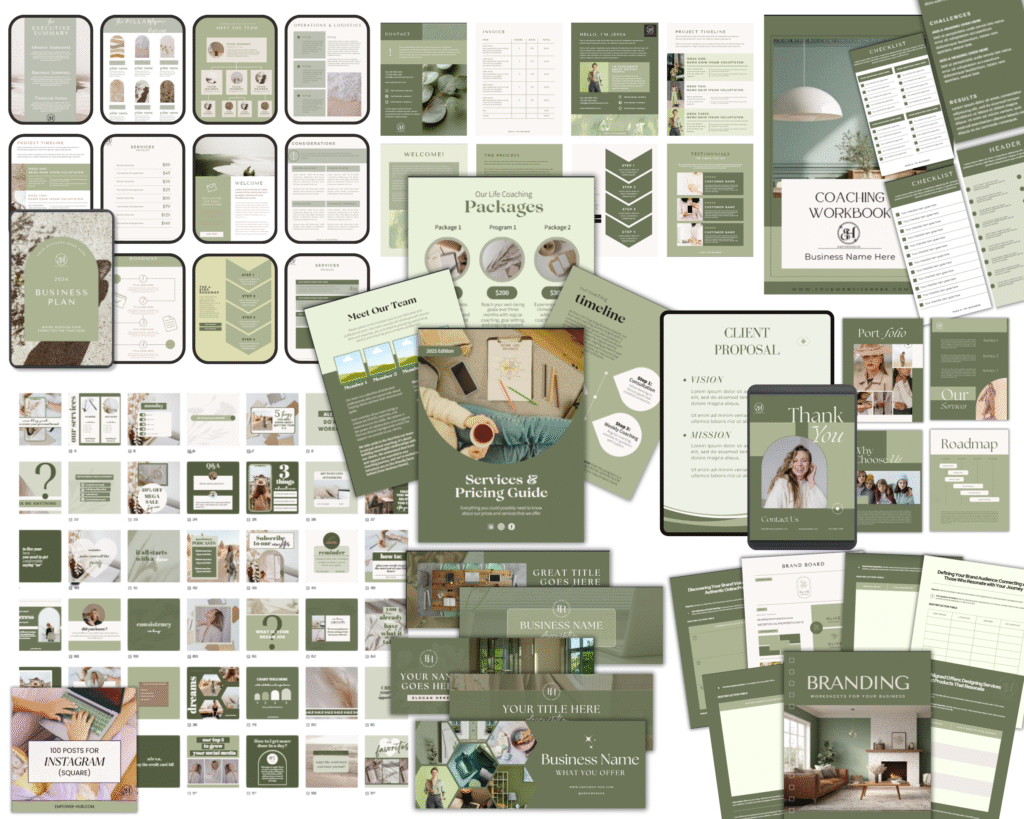
One thing most new coaches don’t expect? How much behind-the-scenes setup is needed to run a smooth, professional coaching business.
It’s not just about great conversations, your structure matters.
Templates and worksheets are foundational elements that help guide your coaching practice. They streamline your workflow, enabling you to focus more on your clients’ needs.
A coaching agreement template is essential for setting clear expectations between you and your clients. It lays out goals, session plans, confidentiality terms, and fees, building trust from the start. This document helps prevent misunderstandings and establishes a professional tone for your coaching relationship.
This is where most new coaches get stuck. They try to DIY everything and lose months.
A functioning coaching business needs:
- Intake forms
- Client agreements
- Welcome packets
- Coaching worksheets
- Progress trackers
- Goal-setting templates
- Marketing assets
- A simple CRM or organization system
This is where most beginners get overwhelmed. They try to create everything from scratch and end up losing weeks, sometimes even months.
That’s exactly why your Life Coach Business Starter Kit exists. It gives new coaches every essential template, form, worksheet, agreement, and marketing asset they need to start confidently without the stress of building everything on their own.
Typical items to include in a coaching agreement template:
- How often you’ll meet and for how long
- Your fees and payment schedule
- Confidentiality and boundaries
- Your cancellation and rescheduling policy
- Clear expectations = smooth coaching relationships.
Using Life Coaching Worksheets: Why They Matter
Life coaching worksheets help track your client’s progress and keep sessions focused. They provide a visual representation of growth, motivating clients to pursue their goals actively. Worksheets can range from goal-setting tools to reflection exercises.
Some must-haves include:
- Goal-setting frameworks
- Self-assessment tools
- Progress tracking sheets
With the right worksheets, your coaching program becomes structured, intentional, and results-driven. Clients feel supported, and you look confident and professional from day one.
The Life Coach – Business Starter Kit
Inside the Life Coach – Business Starter Kit, they’ll find:
-Done-for-you coaching agreements
-Client onboarding packets
-Goal-setting and transformation worksheets
-Branding templates + social media designs
-Marketing templates
Everything is editable and ready to use — to no eliminate overwhelm.
Creating Your Coaching Program: Structure and Planning

A strong coaching program isn’t random, it follows a repeatable structure that builds trust and produces real results. Most coaches use a 3–6 month model with stages like:
- Assessment: Vision, blocks, clarity
- Alignment: Goals, habits, and mindset
- Execution: Weekly coaching, accountability
- Evolution: Review, refine, transformation
A clear framework makes your sessions smoother, your impact stronger, and your confidence higher.
Building Your Life Coach Business: Planning and Legal Steps

Starting a life coaching business is exciting, but it also comes with a few practical steps to make sure you’re set up the right way.
Begin with a simple business plan that covers your mission, who you want to help, and the services you want to offer. This keeps your vision grounded and focused.
From there:
Choose a business structure (sole proprietorship, LLC, etc.)
Register your business
Secure any required permits
Create your client contracts and agreements
Your coaching agreement is especially important, it lays out session expectations, confidentiality, payment terms, and boundaries. This protects both you and your clients, and it creates a clear, professional relationship.
Finally, set up the financial side of your business:
- Open a business bank account
- Use accounting software or simple tracking tools
These help you manage income, expenses, and taxes with less stress.
By taking these foundational steps, you build a solid framework for a successful coaching business.
Branding and Online Presence: Website Templates and Marketing

Your brand is more than a logo; it’s the experience people have when they discover you online. It’s the feeling they get when they read your words, scroll through your content, or land on your website for the very first time.
Strong branding includes:
- A consistent color palette
- Clear messaging
- A simple website or landing page
- Photos (professional or clean lifestyle shots)
- Social media presence
- Testimonials
You don’t need to spend months designing everything yourself.
Your Life Coach Starter Kit includes ready-to-use templates, marketing designs, and social media kits, all plug-and-play, so you can show up online looking polished and professional from day one.
Attracting and Retaining Clients: Strategies for Growth

Growing a life coaching business isn’t just about getting clients, it’s about keeping them, building trust, and creating a reputation that naturally attracts more people to your work.
Start by really understanding who you want to help and what they’re struggling with. When you know your audience, everything becomes easier: your messaging, your offers, and even your pricing.
Developing trust is crucial for client retention. Ensure you deliver on promises and maintain open communication. This fosters long-term relationships and encourages referrals.
Consider these strategies for attracting and keeping clients:
- Offer free introductory sessions to showcase your coaching style.
- Use client testimonials to highlight successful transformations.
- Implement a referral program to incentivize current clients.
Consistency in these practices strengthens your business foundation, ensuring steady growth and a satisfied client base.
Setting Your Fees and Managing Finances

Pricing is often one of the hardest parts for new coaches, but it doesn’t have to be.
Start by looking at your niche, your experience, and what your program includes. Your rates should reflect the value of the transformation you provide, not just the time you spend on sessions.
Effective financial management ensures the long-term sustainability of your business. Keep track of income and expenses to maintain financial health. Consider these tips:
- Set realistic financial goals for your business.
- Use budgeting tools to manage cash flow.
- Regularly review and adjust pricing strategies as needed.
Pricing depends on:
- Your niche
- Your experience
- Your program length
- Your market
But here’s a realistic guide for beginners:
- $50–$150 per session for new coaches
- $1,500–$3,000 for a 12-week program
- $3,000–$10,000 for premium transformation coaching
Financial management is what keeps your business stable long-term. Track everything: expenses, subscriptions, payments, and taxes. Set financial goals and review your pricing every few months as you grow.
Think of it as creating a healthy financial ecosystem, so your coaching business can expand without stress.
Ethics, Boundaries, and Professionalism in Life Coaching

Upholding ethical standards is vital to maintaining trust and credibility in life coaching. Establish clear boundaries to differentiate your coaching relationship from personal relationships.
Professionalism is key to guiding successful client interactions. Ensure confidentiality and integrity at all times.
Clients need emotional safety. That means:
- Confidentiality
- Clear boundaries
- Honesty
- Staying within your scope
- Knowing when to refer out
Professionalism increases referrals and keeps your reputation strong.
Consider these ethical guidelines:
- Maintain client confidentiality.
- Set and respect personal and professional boundaries.
- Engage in honest and transparent communication.
Upholding these values protects both you and your clients, and it builds a reputation that leads to better word-of-mouth and more referrals.
Continuous Growth: Staying Sharp as a Coach

Great coaches never stop learning. Stay updated through:
- Workshops
- Certifications
- Peer coaching
- Communities
- Books & training
- Practice, practice, practice
- The more you grow, the more your clients grow.
Ongoing education not only broadens your expertise but also keeps your practice innovative and effective.
The more you grow, the deeper the transformations you can facilitate.
Overcoming Challenges and Sustaining Your Passion

Every coach goes through phases where things feel slow or uncertain:
- Client inquiries drop
- You doubt your niche
- You feel tired or uninspired
- You start comparing yourself to other coaches
This is completely normal.
Instead of quitting, reconnect with your “why.” Look at the breakthroughs your clients have had because of you. Remember that the world needs your voice, exactly as it is.
You grow through the seasons, not just the successes.
Your Next Steps to Becoming a Life Coach

You don’t build a coaching business by dreaming about it — you build it by taking the next step now.
If you want the simplest, clearest path with fewer mistakes, the Life Coach Business Starter Kit is the best place to begin. It gives you every template, tool, and system you need to launch with confidence instead of guessing your way through.
Access more tools here: lifecoach.empower-hub.com

About the Author
Michelle is the founder of EmpowerHUB Technologies and an experienced entrepreneur who helps coaches turn their expertise into structured, professional businesses. After building and scaling businesses of her own, she created EmpowerHUB to give new and growing coaches access to practical templates, digital resources, marketing tools, and business systems that make getting started less overwhelming.
Her goal is to help coaches spend less time trying to figure out the business side and more time serving their clients with confidence.
Explore EmpowerHUB Resources for Coaches →